How to spot old, fake or grey-import Bridgestone tyres in the UAE
Quick answer
To spot old or fake Bridgestone tyres in the UAE, read the four-digit DOT date first, then check for sun cracks, sharp and consistent moulded lettering, an E-mark and a full DOT code, and an invoice naming the size and DOT. Prices far below the usual market band are a warning sign. Ask to see the DOT before fitting.
Key takeaways
- Old stock is a far more common problem in the UAE than outright counterfeits, and the DOT date exposes it in seconds.
- Tyres have no printed expiry date; the DOT shows when the tyre was made, and five years from that date is the practical UAE limit.
- Blurry or uneven moulding, a missing E-mark, a buffed-off DOT or a sticker over the code are red flags.
- Buy from a seller who shows the DOT before fitting and writes it on the invoice.
Every few weeks a customer asks me to look at tyres they bought somewhere else at a price that seemed too good. Usually the tyres are genuine Bridgestone, just old: made three or four years earlier, stored in a hot container, and sold as new. Occasionally they are something worse. Both cases are easy to catch if you know where to look on the sidewall.
This guide is the checklist I use on the vans: how to read the DOT date, what heat and storage damage looks like, how counterfeit or re-labelled tyres usually give themselves away, and what grey imports are. It applies to every tyre in the Bridgestone range, from a B-Series on a Sunny to a Dueler on a Land Cruiser.
Are fake Bridgestone tyres sold in the UAE?
Counterfeit tyres do exist in the region, but in my experience the far more common problem in the UAE is genuine Bridgestone tyres that are old, badly stored or sold with the wrong description. Fake tyres are hard to make convincingly, while old stock simply needs a seller willing not to mention the date.
That matters because an old tyre looks almost identical to a fresh one on the shelf. The tread is full, the labels may still be on, and the rubber is black. The difference only shows on the sidewall code, or months later when cracks appear in the grooves.
So the first check is always the same, whatever the price or the seller: read the DOT date. Then look at the condition, the markings and the paperwork, in that order.
How do you check a Bridgestone tyre's age?
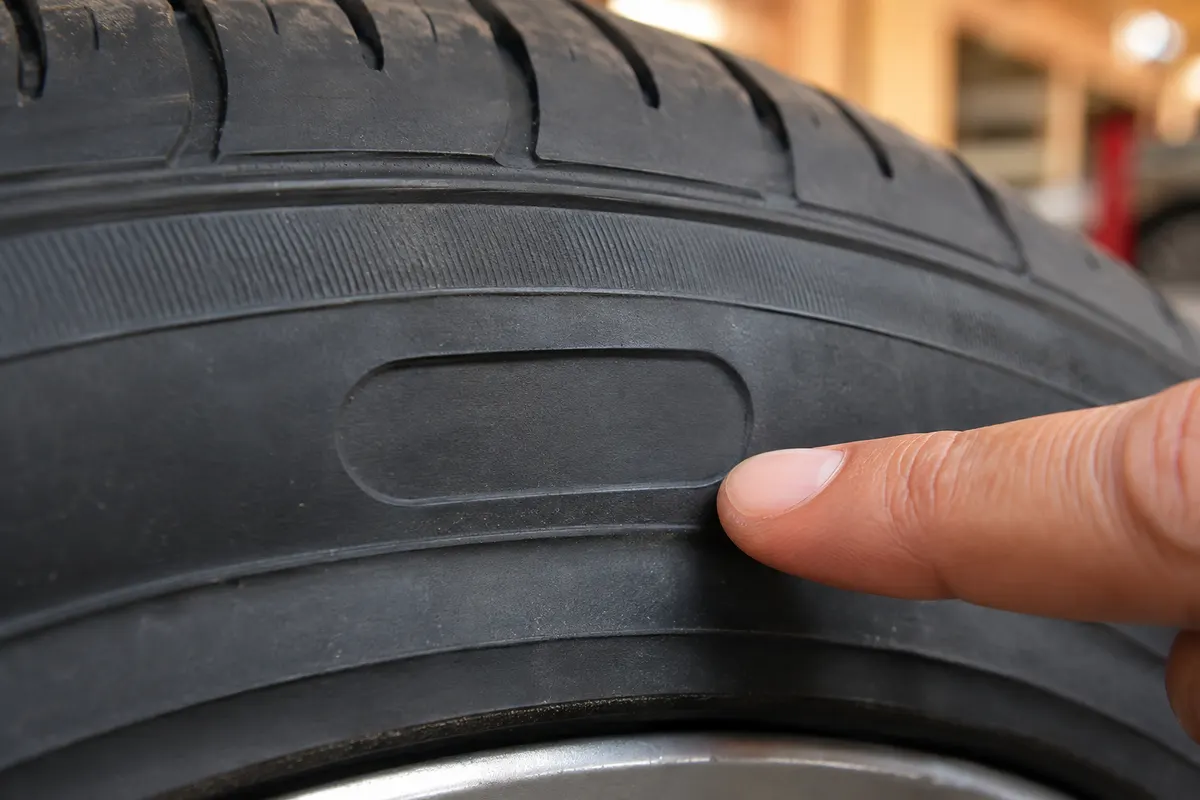
A Bridgestone tyre's age is shown by the last four digits of its DOT code, which give the week and year of manufacture: 1426 means week 14 of 2026. The code is moulded into the sidewall after the letters DOT and is often in a small oval, sometimes on one side of the tyre only.
If you see only three digits, the tyre was made before 2000 and should not be on a car. If the four-digit group is missing on the side facing you, look at the other sidewall before assuming anything, because the full code is often printed on just one side. Our guide on how to read a Bridgestone DOT date code has photos of where to find it.
Check all four tyres, not just one. Mixed dates across a set are a sign that the seller pulled tyres from different stock, which is common with slow-selling sizes.
| Check | What a fresh, genuine tyre shows | Red flag |
|---|---|---|
| DOT date | Clear four-digit week and year, recent | Several years old, missing, buffed or covered |
| Rubber condition | Deep black, smooth, no cracks | Hairline cracks, chalky or faded surface |
| Sidewall moulding | Sharp, even, consistent depth | Blurry, shallow or uneven lettering |
| Approval marks | E-mark and full DOT code present | Marks missing or incomplete |
| Price | Within the usual market band for the size | Far below the band with no explanation |
| Paperwork | Invoice with size, pattern and DOT | No invoice, cash only, no receipt |
Do tyres have an expiry date in the UAE?
Tyres do not carry a printed expiry date; what people call the tyre expiry date in the UAE is really the DOT manufacture date plus the age at which a tyre is considered too old to use. Tyres more than five years past their DOT date are commonly rejected at inspection, and the federal traffic fine for unfit tyres is AED 500 and 4 black points.
Heat is the reason the limit is tighter here than in cooler countries. Rubber hardens and the oils in the compound break down faster when a car sits in 45°C air and on 60 to 70°C asphalt for months each year. An old tyre can look fine and still have lost much of its grip.
For buying new, I would expect fresh stock to carry a recent DOT, and I would ask questions about any "new" tyre more than a couple of years old. You are paying for the full life of the tyre, and every year on the shelf is a year you do not get on the road. When to change tyres you already have is covered in our when to replace tyres in the UAE guide.
What does storage damage look like on a tyre?
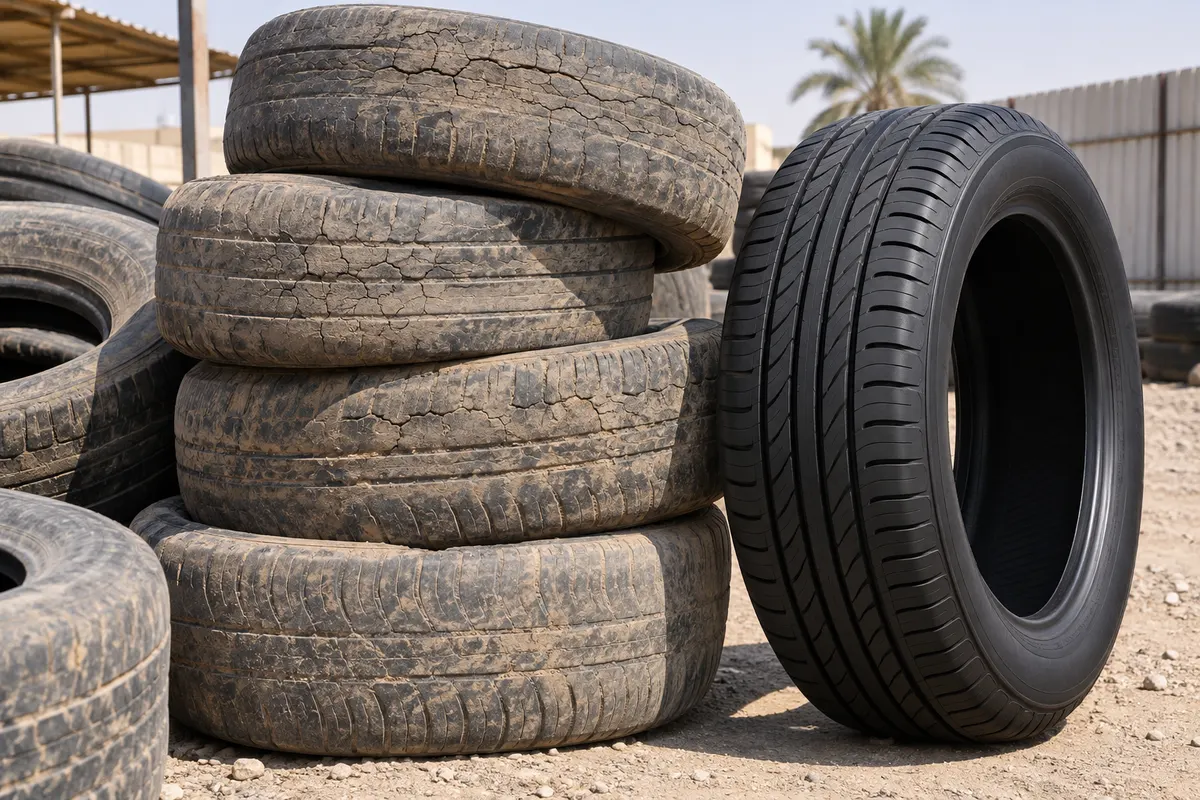
Storage damage shows as fine cracks in the sidewall or tread grooves, a dull grey or brownish surface, and flat or deformed spots, and it is most common on tyres kept outdoors or in unventilated containers. In the UAE I see it on stock that has sat stacked in the sun outside a shop or travelled in a hot shipping container.
Bend the tread slightly with your hands or look closely at the base of the grooves. Fresh rubber is smooth; sun-cracked rubber shows a web of hairline cracks, sometimes called crazing. Also look for a white bloom or chalky surface that does not wipe off.
Tyres stacked flat too high for too long can develop a distorted bead area, which makes them hard to seat and balance. If the balancer needs unusually heavy weights on a brand-new tyre and rim, that is worth a conversation with the seller.
- Hairline cracks at the base of grooves or around the sidewall lettering.
- Faded, chalky or brown rubber instead of a deep black finish.
- Flat spots, bead distortion or a tyre that will not balance cleanly.
How can you tell if a Bridgestone tyre is counterfeit or re-labelled?
A counterfeit or re-labelled tyre usually gives itself away through poor moulding quality, missing approval marks or a tampered DOT code. Genuine Bridgestone sidewall lettering is sharp, evenly spaced and consistent in depth, with the logo, pattern name, size, load index and speed rating all cleanly moulded.
Look for an E-mark, a capital E with a number inside a circle followed by an approval code, which shows type approval under the UN ECE regulations used in many markets. A full DOT code should be present. If the area where the date code should be looks sanded, buffed smooth or covered by a sticker, walk away.
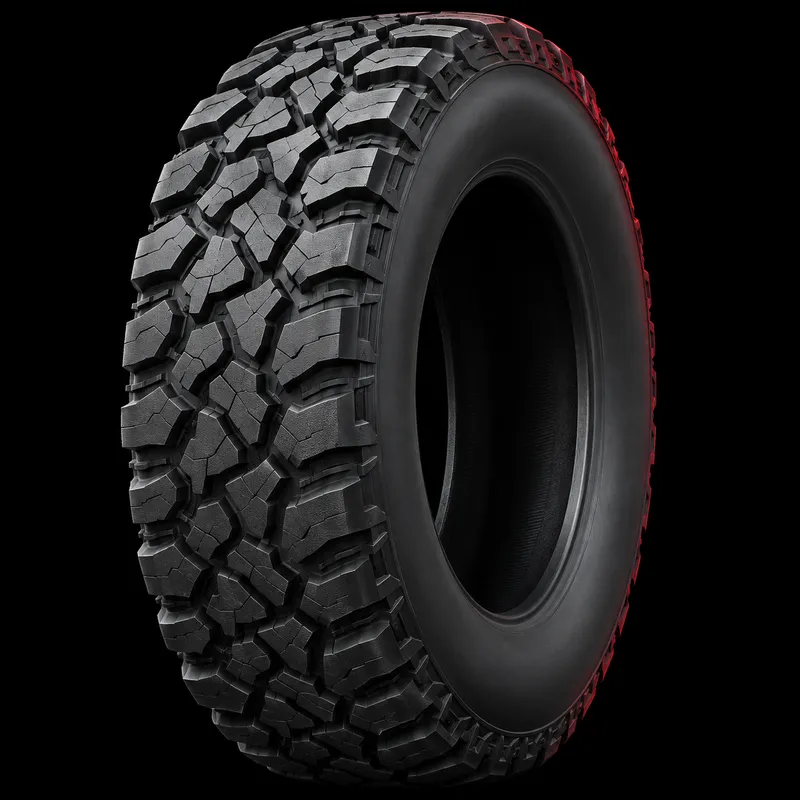
Check that the pattern name on the sidewall matches the label and the invoice. I have seen labels for a premium pattern stuck on a cheaper one, and tread patterns that do not match photos of the real tyre. Compare the tread with the images on the model page, for example our Dueler A/T 002 page, before you pay.
- Blurry, shallow or uneven sidewall lettering.
- No E-mark, or an incomplete or missing DOT code.
- DOT area buffed, scratched or covered with a sticker.
- Pattern name on the label does not match the sidewall.
Why is a price that looks too good a warning sign?
A Bridgestone tyre priced far below the normal UAE market band is usually old, grey-import, part-worn or not what it claims to be, because genuine fresh stock costs every seller roughly the same to buy. For example, a Bridgestone Dueler in 265/65 R17 typically sells from around AED 550; an offer at half that should prompt questions.
Genuine promotions do happen, especially on outgoing patterns or sizes being cleared, and they are fine as long as the seller tells you the DOT before you pay. The difference is transparency. Our current deals are listed on Bridgestone tyre offers in the UAE, each with the DOT confirmed on request.
The other warning signs are a seller who will not give a written invoice, will not let you see the tyres before fitting, or insists on cash with no receipt. None of those prove a tyre is fake, but together they remove any way for you to check.
What are grey import tyres, and should you avoid them?
Grey import tyres are genuine tyres brought into the UAE outside the brand's regional distribution channel, and they are not fake, but they carry extra risks around age, storage, market specification and warranty support. They are often bought in bulk from other countries where a size was cleared cheaply.
The practical problems are that grey stock is more likely to be older, may have spent weeks in transit containers, and can include specifications meant for other climates. A tyre with a snowflake-on-mountain symbol, for instance, is a winter-rated tyre with a soft compound that wears quickly and is wrong for a UAE summer. Warranty claims can also be harder, as our Bridgestone tyre warranty guide explains.
If you are offered a grey import, check the DOT, check the condition, and ask where the tyre was made and for which market. Our post on where Bridgestone tyres are made explains the factory codes you might see.
Why buy from a seller who shows the DOT before fitting?
A seller who shows you the DOT date before fitting gives you the chance to refuse old or wrong tyres while it still costs you nothing, which is the single best protection against old or fake stock. Once a tyre is mounted and balanced, most buyers will not ask for it to be removed.
On our vans the routine is the same for every job: we confirm the DOT week on WhatsApp when you order, show you the sidewall code before mounting, and write size, pattern and DOT on the invoice. If you do not like the date, we do not fit it. You can read more about how we work on our Bridgestone tyre dealer in Dubai page.
Whoever you buy from, insist on the same three things: see the DOT, check the sidewall markings, and get an invoice that names the tyre. Our new tyres service follows that process from quote to fitting.