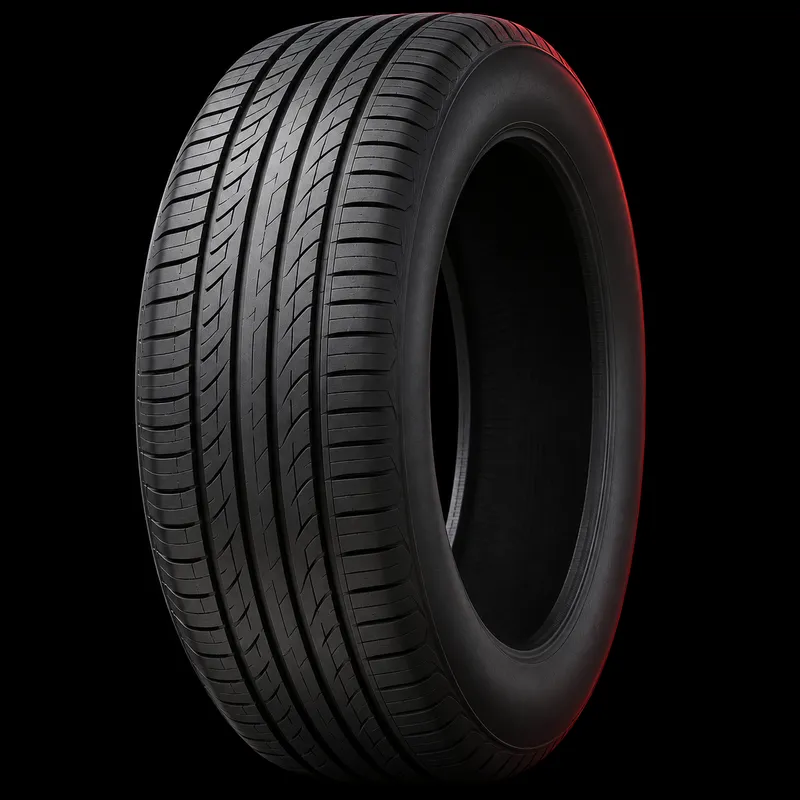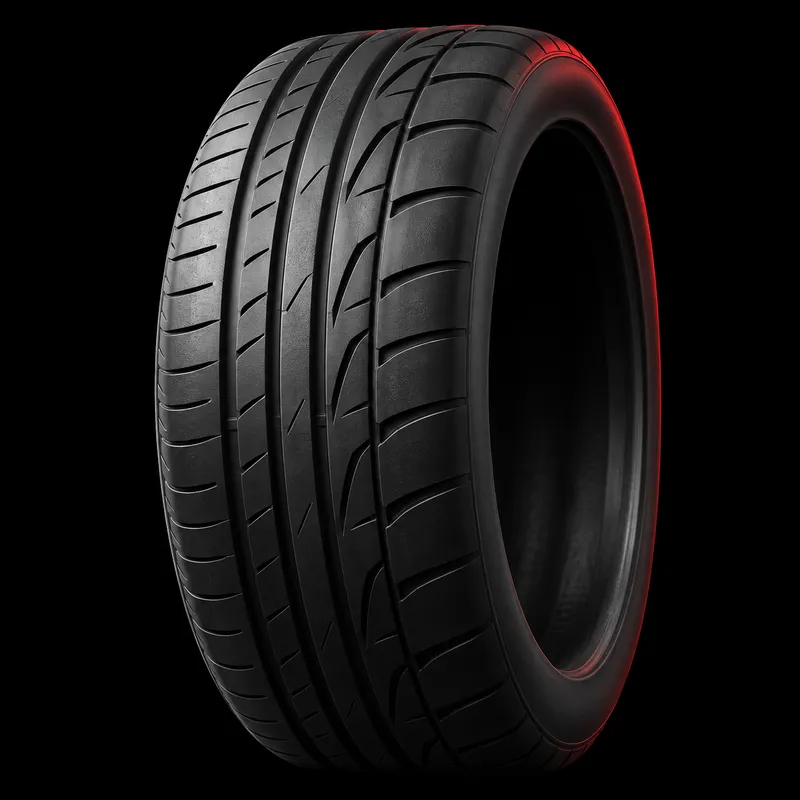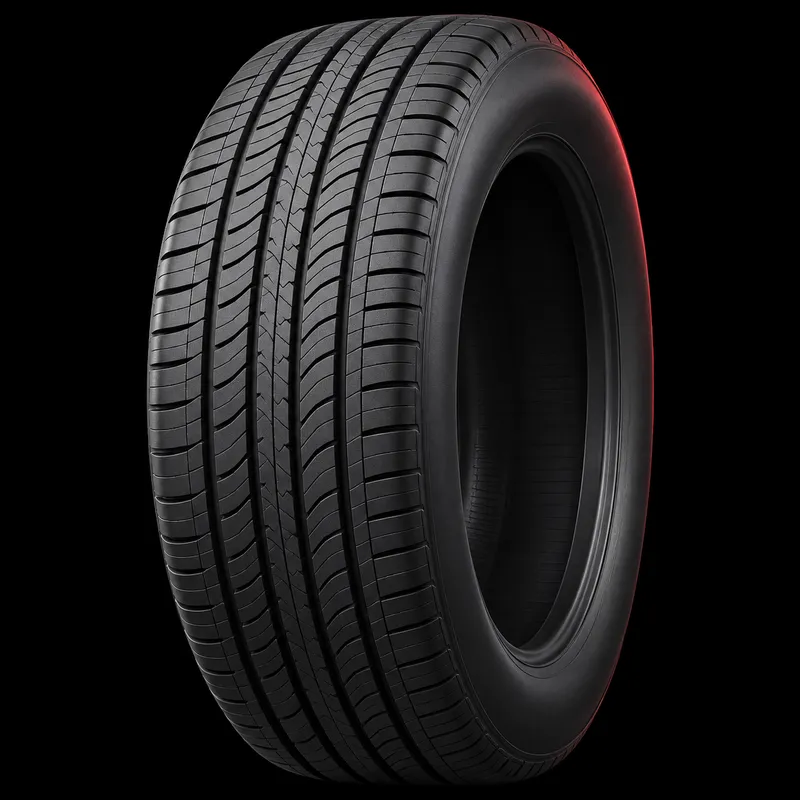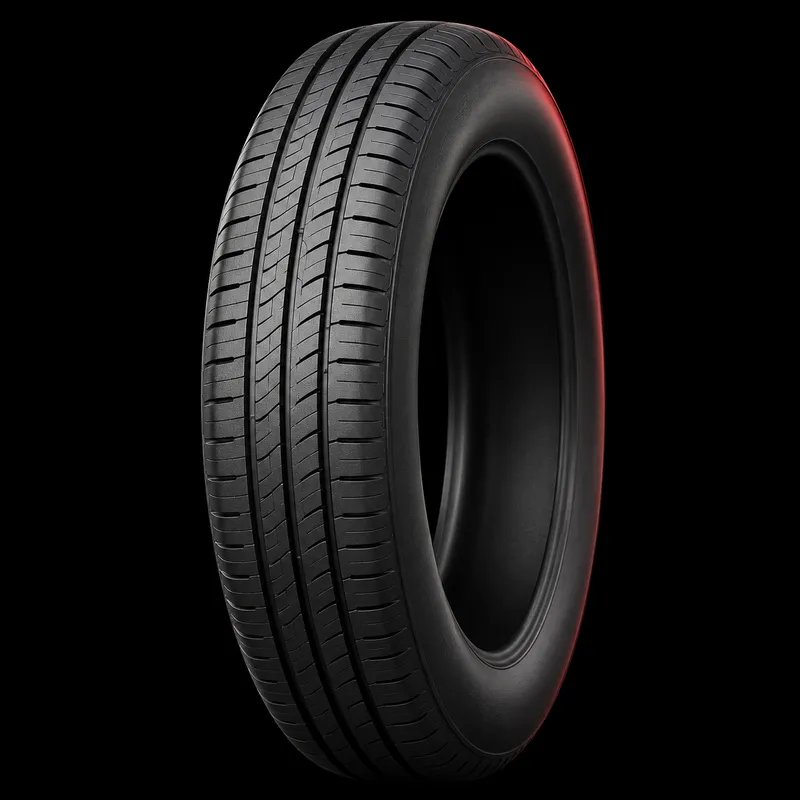

Two things wear EV tyres faster in the UAE: torque and heat. Full torque from zero means a hard launch scrubs the tread, and battery weight on a 60°C road raises tyre temperature. Many owners see 30,000 to 40,000 km from a set, against 50,000 km or more on a similar petrol car.
Tyres also affect range. A low-rolling-resistance tyre at the correct pressure can be worth several percent of range, so the right replacement is not just about grip.
Why are EV tyres different?
An EV tyre has three jobs a regular tyre does less of: carrying a 400 to 700 kg battery, handling full torque from zero, and rolling with minimal resistance to protect range. Bridgestone's ENLITEN technology, used in the Bridgestone Turanza 6, is designed for exactly this, with a lighter construction and lower rolling resistance.
That does not mean only EV-branded tyres are allowed. Any tyre with the right size, load index, speed rating and ideally the OE marking can be fitted, and a performance EV such as a Model 3 Performance or Ioniq 5 N is often better served by the Potenza Sport. Our Potenza vs Turanza vs Ecopia comparison helps you choose.
- Turanza 6: Model 3, BYD Seal, Ioniq 5 and EV6 in 18 to 19 inch sizes where it is made
- Potenza Sport: performance EVs on 20 and 21 inch wheels
- Alenza 001: electric SUVs such as the Model X and EQS SUV
- Ecopia EP300: compact EVs such as the MG4 and Atto 3 where range comes first
How long do EV tyres last in UAE heat?
EV tyres in the UAE commonly last 30,000 to 40,000 km, noticeably less than on a comparable petrol car. Weight, instant torque and regenerative braking all add load, and hot asphalt softens the compound.
Smooth acceleration, correct pressure and rotation every 8,000 to 10,000 km make the biggest difference. On staggered Tesla Performance or Taycan setups, check rear wear monthly; our Bridgestone EV tyres in the UAE page lists sizes for the common models.
Where should an EV be lifted for a tyre change?
An EV must be lifted only at the marked jacking points, because the battery pack covers most of the underside. Our technicians use padded jack adapters and follow each maker's points, so the battery casing is never loaded.
After fitting, TPMS sensors are checked and, on some models, the car is told about the new tyres through its settings menu.
Technician tips
- Keep pressure at the placard value; low pressure costs range and tread.
- Rotate every 8,000 to 10,000 km where sizes allow.
- Accelerate smoothly; launches scrub tread quickly.
- Choose XL or HL tyres to match the original load rating.
- Prefer foam-lined versions where Bridgestone offers them to keep cabin noise low.
- Check alignment yearly; heavy EVs show inner-edge wear quickly.