Is Bridgestone a good tyre brand? An honest review from a UAE tyre fitter
Quick answer
Yes, Bridgestone is a good tyre brand. Founded in 1931 in Kurume, Japan, it is one of the world's largest tyre makers and supplies factory tyres to many carmakers. Its range covers value, touring, performance, SUV, 4x4 and van tyres. The trade-offs are price against budget brands and faster wear on its sportiest patterns.
Key takeaways
- Bridgestone was founded in 1931 by Shojiro Ishibashi; the name is an English rendering of Ishibashi, meaning stone bridge.
- It is one of the two largest tyre makers in the world and also owns Firestone.
- Seven ranges cover almost every UAE car, from AED 220 value tyres to AED 1,900 performance tyres.
- Honest downsides: higher prices than budget brands, faster wear on Potenza, a firmer ride on run-flats and a louder mud-terrain option.
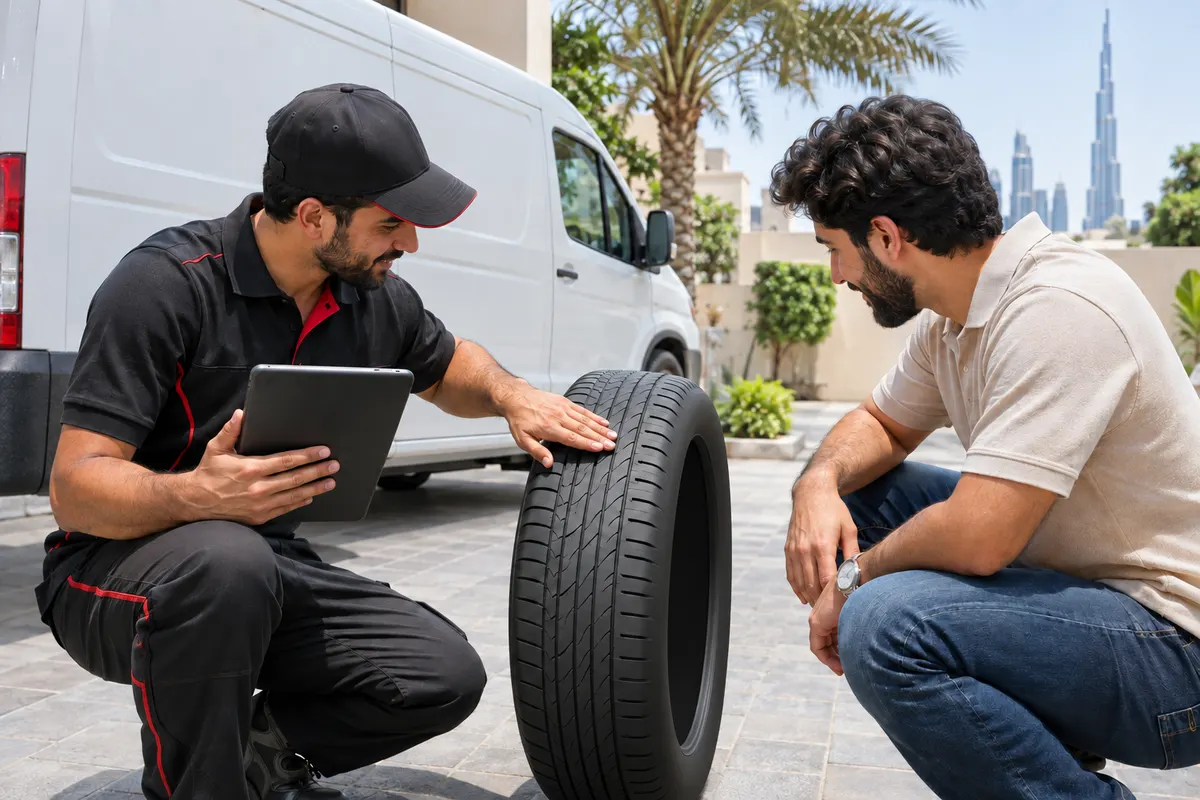
People ask me whether Bridgestone is a good tyre almost every week, often while I am already kneeling next to their car with the wheel off. It is a fair question, because a set of four premium tyres is a real expense, and the UAE market is full of brands at every price. I fit Bridgestone for a living, so I am not neutral, but I can tell you what four years of removing, fitting and inspecting tyres in Dubai, Abu Dhabi and Sharjah has shown me.
This review covers where the company comes from, what the Bridgestone tyre range includes, the technology that is actually useful here, and the trade-offs you should know about before you spend money. If you are weighing Bridgestone against a specific rival, I compare it head to head in Bridgestone vs Michelin vs Yokohama.
Where did Bridgestone start, and who owns it?
Bridgestone was founded in 1931 in Kurume, Japan, by Shojiro Ishibashi, whose family business had made traditional split-toe work shoes before he turned to tyres. The company name is an English rendering of his surname: ishi means stone and bashi means bridge.
Bridgestone is a listed Japanese company headquartered in Tokyo, and it is not owned by a carmaker or another tyre group. In 1988 it bought the American tyre maker Firestone, which is why both names now sit under the same group. Today it is one of the two largest tyre makers in the world by revenue.
Why does that history matter to a driver in Dubai? Because scale buys research, testing and factory capacity. A company that has made tyres for more than 90 years and supplies factory fitment to carmakers around the world has every reason to keep quality consistent, and in my experience it does.
Is Bridgestone a premium tyre brand?
Bridgestone is a premium, tier-one tyre brand, in the same group as the other large global makers rather than among budget imports. Its tyres are fitted at the factory on a wide range of cars, from Japanese family sedans to European luxury and performance models.
That said, not every Bridgestone tyre is a premium-priced tyre. The B-Series and Techno patterns are value touring tyres starting around AED 220, while the Potenza and Alenza ranges sit at the top end. That spread lets a driver stay with one brand whether they own a Nissan Sunny or a Porsche Cayenne.
What stays the same across the price range is construction to proper load and speed standards and quality control at the factory. What changes as you go up is mainly noise, comfort, wet grip and handling precision. You can see how the bands fall by size on our Bridgestone tyre price guide.
What does the Bridgestone range cover?
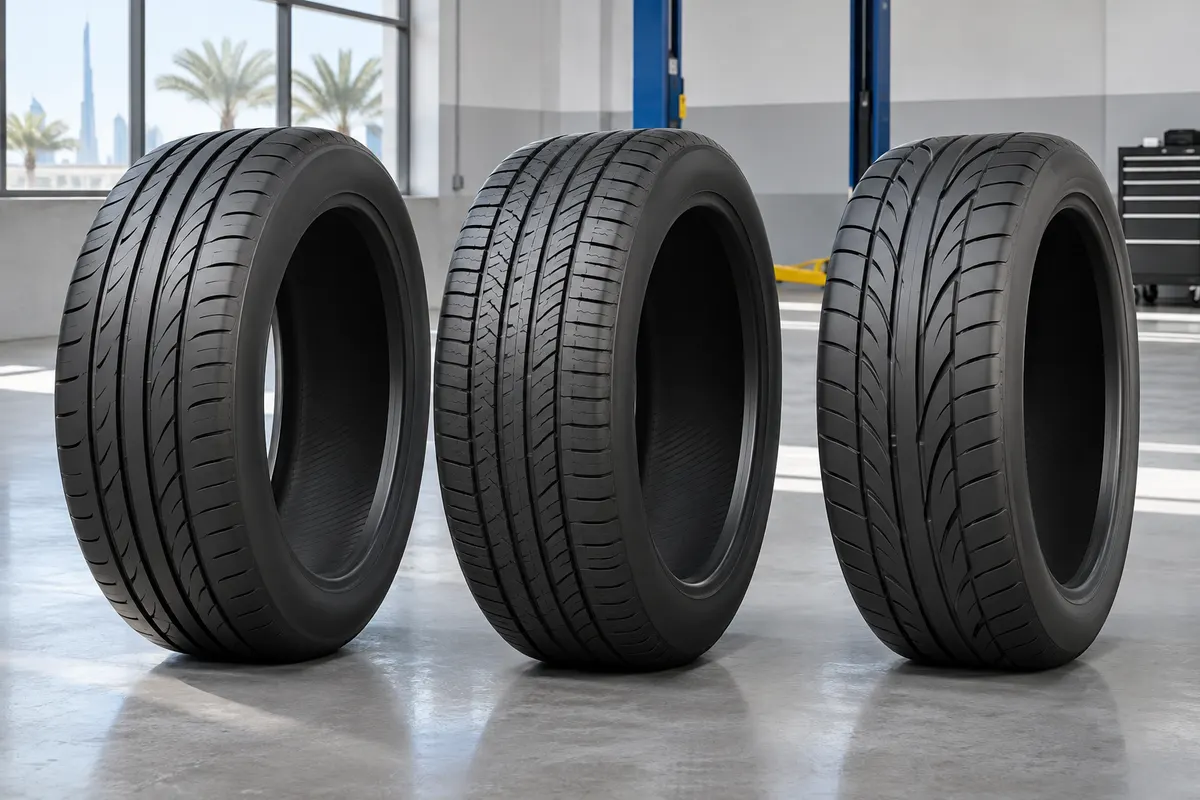
Bridgestone sells seven main ranges in the UAE, each built for a different type of car or driving. Between them they cover almost every size we are asked for, from 13-inch city car tyres to 22-inch SUV and performance fitments.
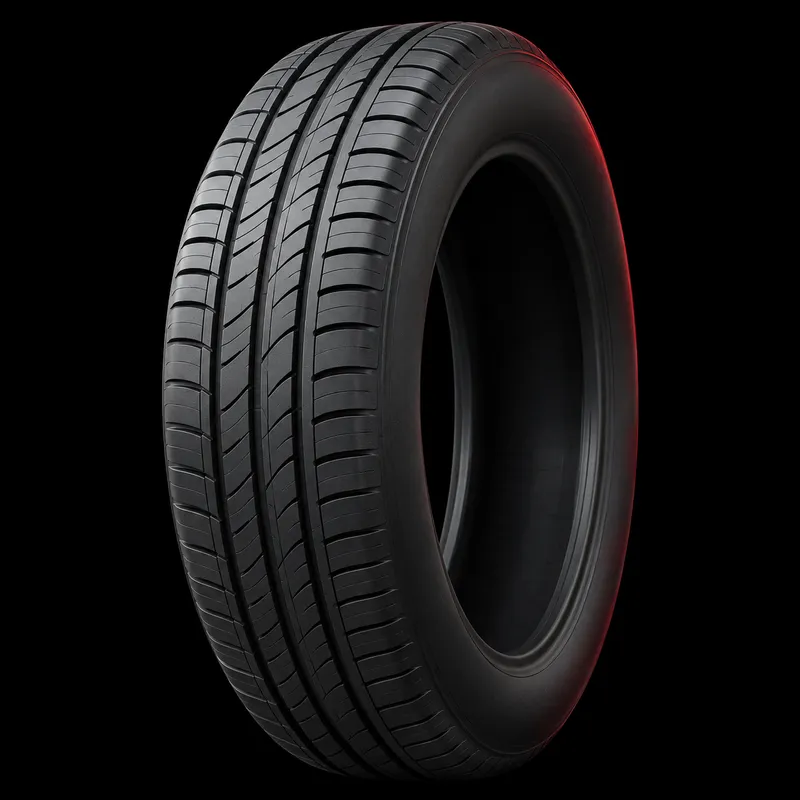
The touring ranges are where most sedans land. The Bridgestone Turanza range is the one I fit most often on family cars, because it balances comfort, quiet running and tread life well in our conditions.
For SUVs and 4x4s, Alenza and Dueler do the heavy lifting. If you are not sure which family your car belongs in, our tyres by vehicle type guide maps each body style to the right range.
- B-Series and Techno: value touring for small cars, around AED 220–520.
- Ecopia: low rolling resistance for high-mileage drivers, around AED 260–650.
- Turanza: premium touring, including DriveGuard, around AED 330–1,050.
- Potenza: performance and ultra-high performance, around AED 450–1,900.
- Alenza: premium SUV touring, around AED 520–1,500.
- Dueler: 4x4 highway, all-terrain and mud-terrain, around AED 420–1,350.
- Duravis: vans and light trucks, around AED 380–900.
What Bridgestone technology actually matters in the UAE?
Bridgestone's most useful technologies for UAE drivers are its run-flat options and ENLITEN, the construction approach used on newer patterns such as the Turanza 6 to reduce weight and rolling resistance. Lower rolling resistance means slightly less fuel or battery use, and a lighter tyre generates less heat on long highway runs.
Run-Flat Technology (RFT) uses reinforced sidewalls so the car can keep driving after a puncture, which is why many BMW and Mercedes models come without a spare. Bridgestone DriveGuard brings the same idea to ordinary cars without special wheels, allowing around 80 km at up to 80 km/h after a puncture.
On some patterns Bridgestone also uses Nano Pro-Tech compound technology, aimed at balancing grip and wear. I would not buy a tyre for a technology name alone, but run-flat capability in particular is a genuine safety benefit when a puncture happens at night on the E311.
How do Bridgestone tyres hold up in UAE conditions?
Bridgestone tyres hold up well in UAE heat when they are fresh, correctly rated and kept at the right pressure. On the vans, the Bridgestone tyres I remove at end of life have usually worn evenly across the tread, which tells me the construction stays stable at 60–70°C road temperatures.
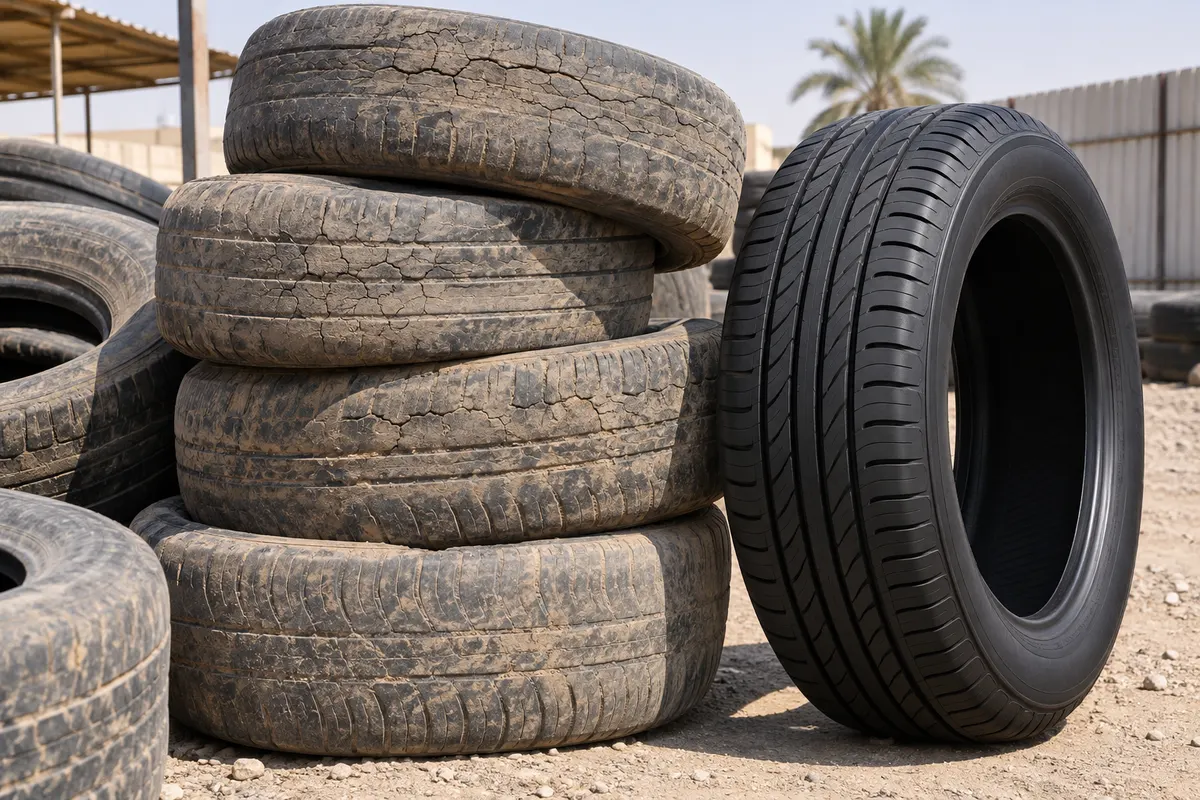
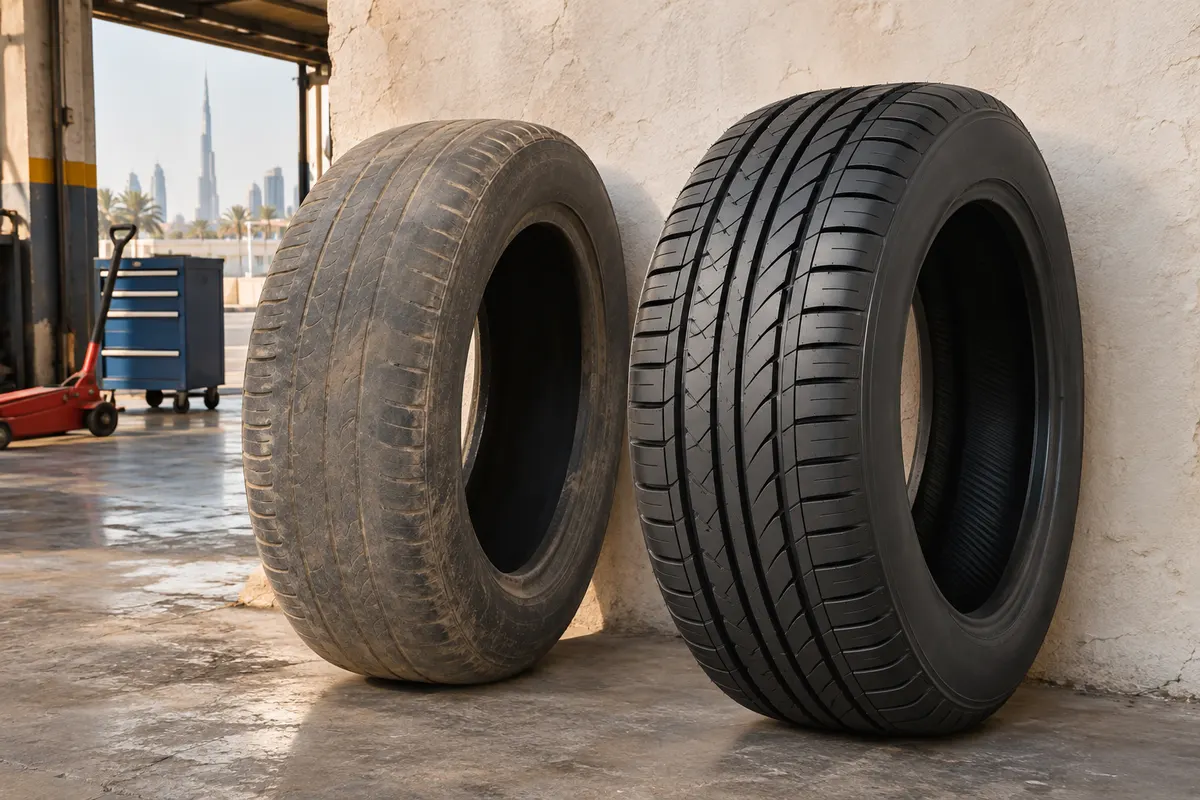
The failures I do see are the same ones I see on every brand: shoulders worn out from under-inflation, sidewall bulges from speed bumps and kerbs, and cracking on tyres that were already old when they were bought. None of these is a brand problem, and all of them are avoidable.
The Dueler range deserves a specific mention. On Land Cruisers, Patrols and Prados that alternate between the E11 and the dunes, the Bridgestone Dueler range has been dependable in my experience, provided owners drop pressure for sand and re-inflate afterwards.
What are the honest downsides of Bridgestone tyres?
The main downside of Bridgestone is price: its touring and SUV tyres cost noticeably more than budget imports of the same size. If you drive very little, mostly in the city, a cheaper tyre may make more financial sense, though our B-Series range narrows that gap.
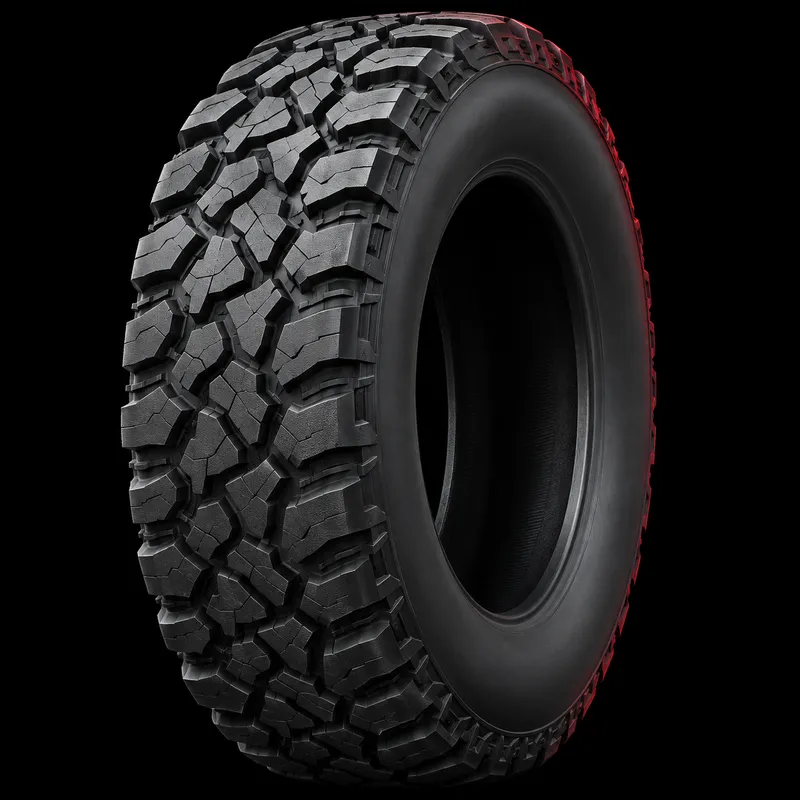
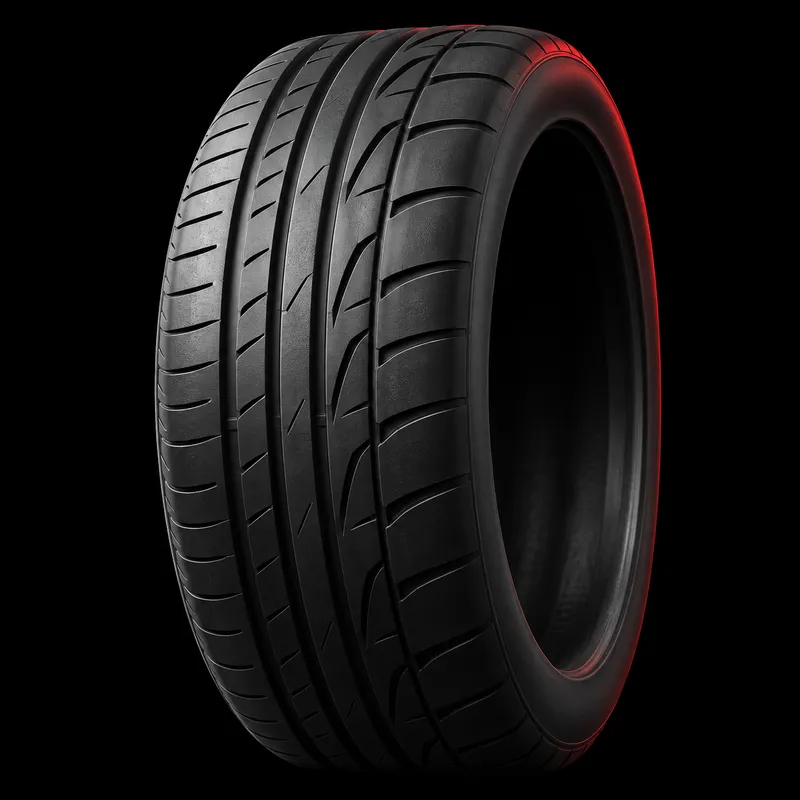
Some patterns also carry the trade-offs of their category. The Potenza Sport grips hard but wears faster than a touring tyre in summer heat. Run-flats ride firmer than standard tyres and cost more to replace. The Dueler M/T 674 is louder on tarmac than an all-terrain tyre.
The last risk is not about Bridgestone itself but about where you buy it. Old stock and parallel imports can reach the market with DOT dates two or three years old. Our guide on how to spot old or fake Bridgestone tyres shows what to check.
Who should buy Bridgestone, and who might not need to?
Bridgestone is a strong choice for anyone who drives long distances on UAE highways, owns an SUV or 4x4, or needs run-flat tyres. Those are the situations where tyre construction, heat stability and size availability make the biggest difference.
It is also a sensible choice for city drivers who want a known brand without paying premium prices, thanks to the B-Series and Ecopia ranges. Where it may not be worth it is on a car you plan to sell within a few months, where the cheapest legal tyre is a reasonable call.
If you decide on Bridgestone, the next step is matching the pattern to your car and checking the price for your size. Our technicians bring the tyres to you and fit them on the spot through mobile Bridgestone tyre fitting in Dubai, from AED 100 per visit.